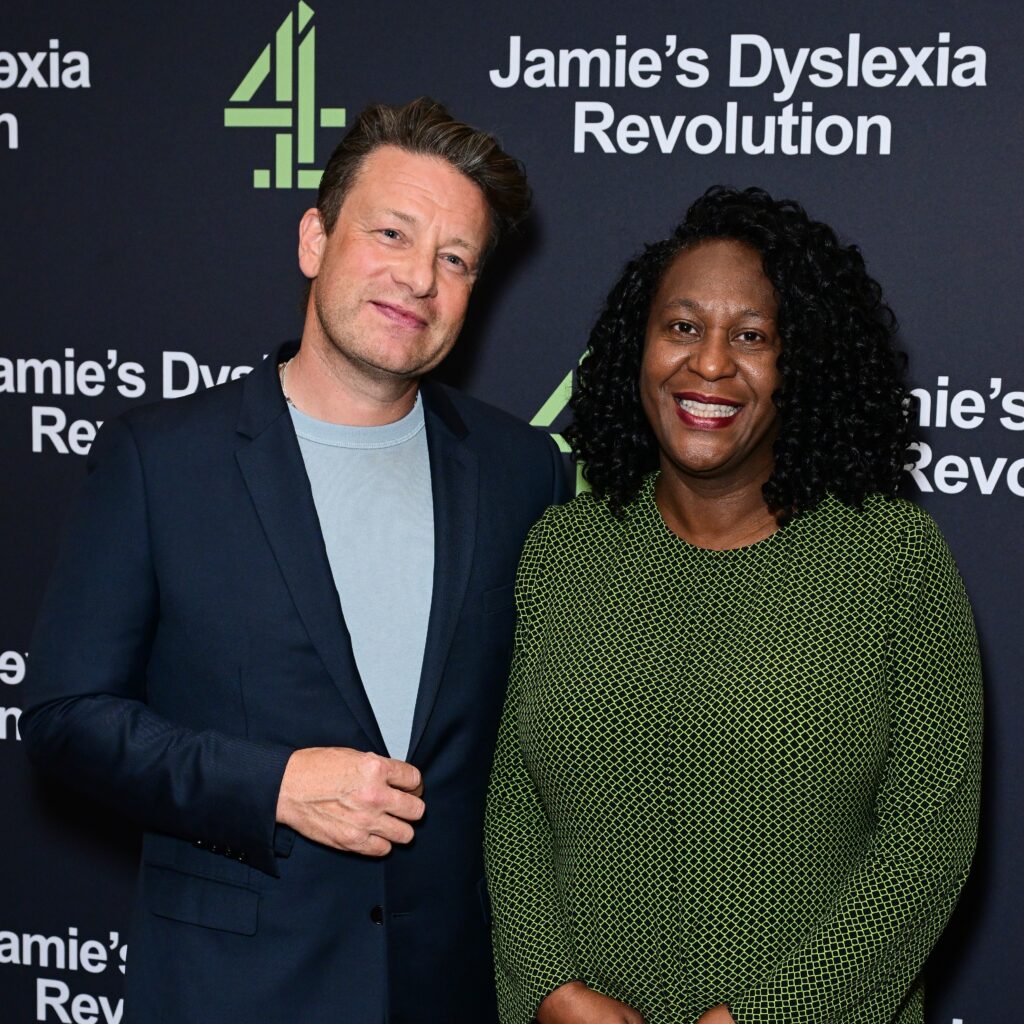
For Dyslexia Awareness Week 2025, campaigners are raising the volume on dyslexia.
Approximately 6.3 million people in the UK, around 10% of the population, are dyslexic. Yet despite its prevalence, dyslexia remains underdiagnosed, and parents often struggle to get their children the support they need.
Chair of the All-Party Parliamentary Group for Dyslexia, Juliet Campbell MP, is calling on the Government to introduce a Dyslexia Strategy.
Juliet Campbell, MP for Broxtowe and Chair of APPG for Dyslexia says:
“Dyslexic individuals often face barriers that affect their self-esteem, educational outcomes, and earning potential, and they are disproportionately overrepresented in the criminal justice system.
These challenges are not an inevitable part of a dyslexia diagnosis.
Dyslexia does not impact a person’s intelligence. Dyslexia is a learning difference, a different way of processing information. Students with dyslexia often shine in creativity, problem-solving, and verbal reasoning. If we embrace the strengths of dyslexia, we can change the trajectory for current and future generations.
To improve life chances for people with dyslexia, urgent action is needed by the Government, from education and the workplace to health and the criminal justice system, where an estimated 30% of people in prison are dyslexic.
Early screening and identification for people with dyslexia is absolutely essential. Being able to put support in place early helps students to thrive at school, which sets them up for success for the rest of their life.
I am calling on the Government to introduce a Dyslexia Strategy to even the playing field for dyslexic people by:
- Reforming the teacher training curriculum to ensure educators are equipped to recognise and support dyslexic learners.
- Standardising dyslexia identification and intervention across schools.
- Prioritising early identification and assessment, allowing tailored support to begin as early as possible in a child’s educational journey.
These steps will help create a more inclusive and effective education system, one that recognises neurodiversity as a strength, which will lead to better life chances and ensure the best start in life for all.”